Stream Bank Fencing and
Stream Crossings

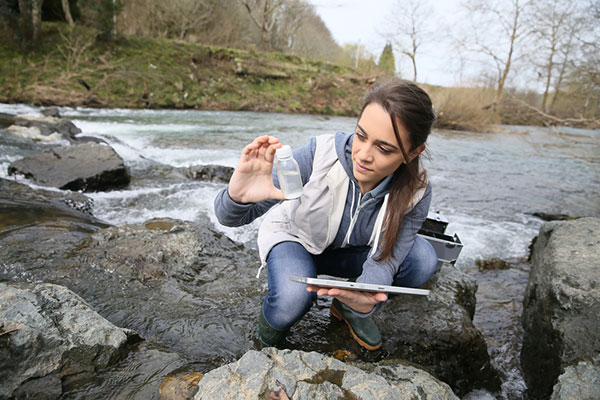
We All Live Downstream

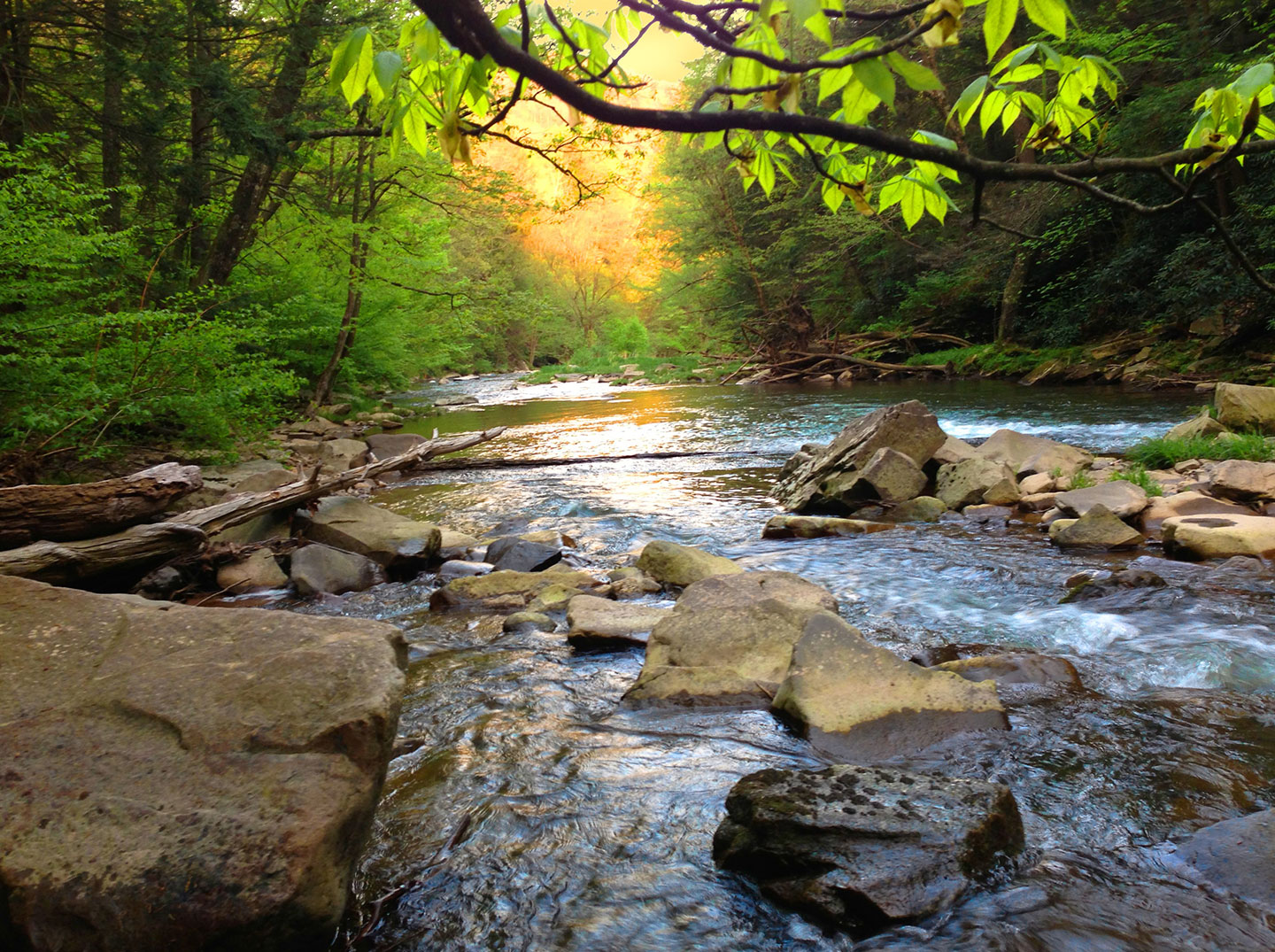
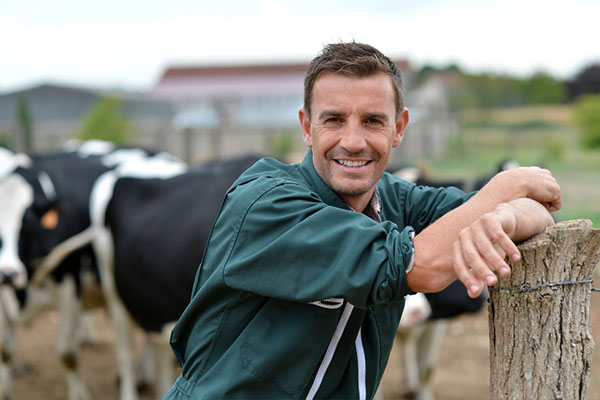
Stream bank fencing is a simple, cost-effective way for farmers to improve water quality in the streams flowing through their farms and ultimately into the Chesapeake Bay. Installing fences and crossings limits livestock access to stream banks and establishes a vegetative buffer strip aliong the stream. Vegetative buffers help reduce soil erosion, control runoff, and absorb nutrients that could otherwise create water pollution.

Fencing and stream crossings are approved Best Management Practices. The Pennsylvanis Chesapeake Bay Program provides financial assistance to eligible farmers for installing stream bank fences and crossings.

Protect Water Quality

Stabilize stream banks and reduce soil erosion

A sizable portion of sediment pollution comes from unprotected stream banks caused by livestock grazing and trampling. Fencing stream banks and limiting livestock access with crossings promotes the establishment of a healthy vegetative cover. Vegetation binds soil particles together creating a stable bank that reduces erosion and collapse.

Control runoff and absorb nutrients

Stream bank vegetation helps trap sediment and pesticides and absorbs some nutrients that may run off of adjacent cultiviated fields and feedlots.

Support the "good neighbor" approach

Water is a shared resource. Fencing can help improve water quality for you and your downstream neighbors.

Other Farm Benefits

Improve hapitat for birds, small mammals, and fish

Stream bank vegetation provides food, cover and nesting sites for birds and small mammals. Buffers can help to enhance fish habitat by providing cover that lowers water temperatures and increases food suplies.

Protect herd health

Fencing and stream crossing may help reduce the risk of animal injury. Limiting livestock access to streams reduces contact with waterborne bacteria that may cause black leg, mastitis, and other ailments.

Enhance the landscape

A vegetative buffer consisting of a mixture of trees, shrubs, grasses, or wildflowers can enhance the beauty of the farm landscape.

Frequently Asked Questions

What type of fencing is used?

High quality single or double strand electric fencing material should be used. In cow-only pastures, single wire installation is used. Two wires are installed in cow-calf operations. Low impedence, high voltage energizers will provide the electrification for the fence.

How far from the stream should the fence be located?

Fences should be installed allowing an average buffer of 12 feet from the top of the streambank. Fencing will be installed parallel to the direction of the stream.

How much maintenance will be requires?

The landowner maintains the fence and the fence charger for 10 years from the date of installation. The area underneath the fence wire may need to be controlled periodically to keep tall vegetation from shorting the fence. However, livestock can often graze underneath the fence and help eliminate the need for mowing.

Will stream side vegetation be a source of weeds?

Vegetation that grows along streams is important for controlling erosion and improving wildlife habitat. Some noxious weeds, however, may need to be controlled. Site preparation with plantings of desired grasses and seedlings may minimize the problem.

Where will my livestock drink?

An access point can be provided for watering livestock. To minimize erosion, the site should be protected with materials such as stones or railroad ties. Alternate watering devices such as spring developments, pasture pumps, and watering troughs are also encouraged. Financial and technical assistance for developing alternative water sources may be available through your county conservation district, USDA Farm Services Agency, or the USDA Natural Resources Conservation Service.

How will my livestock cross the stream?

If livestock or equipment need to cross the stream, the fencing plan should include crossings. These areas must be stabilized to minimize erosion. For technical assistance, contact your county conservation district or the Pennsylvanis Fish and Boat Commission.

Do I need a permit to construct crossings?

Construction of stabilized crossings is regulated by the PA Department of Enviromental Protection (DEP). The DEP or county conservation district staff can help landowners obtain a free general permit for agricultural crossings and ramps.

Who to Contact

For Chesapeake Bay Program information on fencing, stream crossings, or financial assistance call the Regional Water Quality Manager of the DEP Regional Office.

Southeast Region (484) 250-5900
Northeast Region (570) 826-2340
Southcentral Region (717) 705-4741
Northcentral Region (570) 327-3636
Southwest Region

(412) 442-4028

Northwest Region (814) 332-6945

Produced by the Pennsylvania Association of Conservation Districts, Inc. with financial support provided by the Pennsylvania Department of Environmental Protection Chesapeake Bay Program and the Environmental Protection Agency Section 319 Program.